
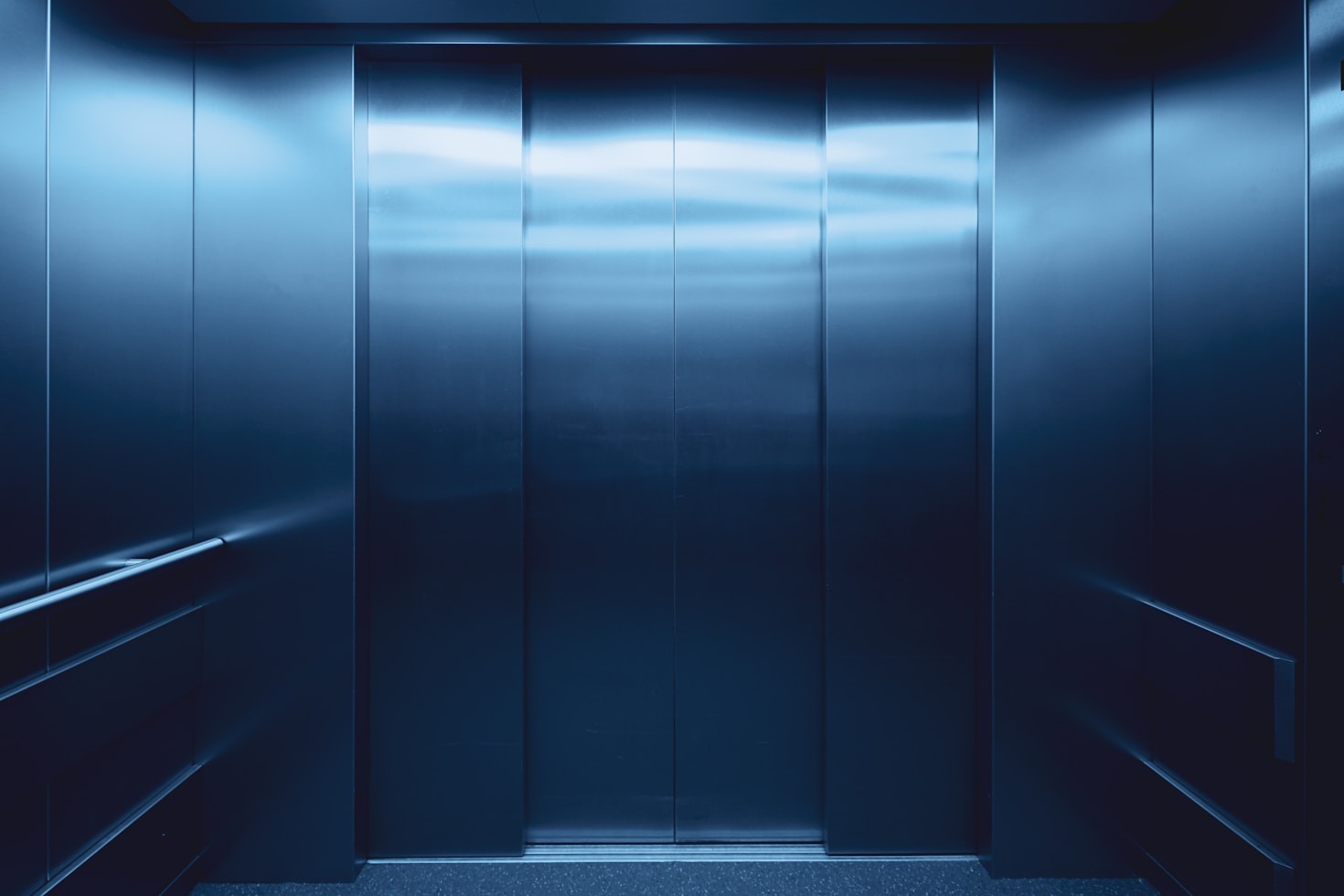
Choosing the right elevator system for your property is a critical decision that impacts safety, efficiency, and user experience. Key considerations include understanding the building’s size and usage patterns, evaluating different types of elevator technologies, and factoring in budget constraints alongside long-term maintenance costs. It is essential to prioritize accessibility and compliance with local regulations to ensure the elevator serves all users effectively. By carefully assessing these factors and consulting with experienced professionals, property owners can select an elevator system that enhances the building’s value and meets the needs of its occupants for years to come.
Sometimes, the simplest moments hold the deepest wisdom. Let your thoughts settle, and clarity will find you. Use this quote space to share something inspirational or reflective, perfectly aligned with the theme of your article.
This paragraph dives deeper into the topic introduced earlier, expanding on the main idea with examples, analysis, or additional context. Use this section to elaborate on specific points, ensuring that each sentence builds on the last to maintain coherence. When selecting an elevator system for your property, it is crucial to consider factors such as building height, traffic volume, and intended use. For instance, low-rise buildings with fewer than five floors may benefit from hydraulic elevators, which are cost-effective and provide smooth, quiet operation. In contrast, high-rise structures often require traction elevators that offer faster speeds and greater energy efficiency. Additionally, understanding the daily traffic patterns can help determine the appropriate elevator capacity and number of cars needed to minimize wait times and enhance user experience. Consulting with industry experts can further ensure that safety standards and accessibility requirements are met, ultimately leading to a tailored solution that aligns with both budgetary constraints and long-term operational goals.sive flow. You can include data, anecdotes, or expert opinions to reinforce your claims. Keep your language concise but descriptive enough to keep readers engaged. This is where the substance of your article begins to take shape.


When selecting the ideal elevator system for your property, it’s important to consider various factors beyond just the initial cost. While traditional hydraulic elevators are often favored for low-rise buildings due to their smooth operation and reliability, traction elevators may be better suited for high-rise properties because of their energy efficiency and faster speeds. Additionally, emerging technologies such as machine-room-less (MRL) elevators offer space-saving advantages and reduced installation times, which can be crucial in urban settings where space is limited.
It’s also worth addressing common concerns about maintenance and long-term operational costs. Some property owners might hesitate to invest in advanced elevator systems fearing higher upkeep expenses; however, many modern elevators are designed with energy-saving features and predictive maintenance capabilities that can actually lower costs over time. Moreover, accessibility requirements and safety regulations must be factored into your choice to ensure compliance and accommodate all users comfortably.
By weighing these alternative perspectives and potential questions, you can make a well-informed decision that aligns with both the functional needs and budgetary constraints of your property. This holistic approach not only enhances user experience but also contributes to the property’s overall value and sustainability. Moving forward, we will explore key considerations for installation and ongoing maintenance to help you maximize the benefits of your chosen elevator system.
Wrapping Up with Key Insights
In this concluding paragraph, summarize the key takeaways from your article, reinforcing the most important ideas discussed. Encourage readers to reflect on the insights shared, or offer actionable advice they can apply in their own lives. This is your chance to leave a lasting impression, so make sure your closing thoughts are impactful and memorable. A strong conclusion not only ties the article together but also inspires readers to engage further.
Leave a Reply